Selling Strategy
Back on Market After a Failed Escrow: Why Your Home Now Looks 'Damaged Goods' to Buyers
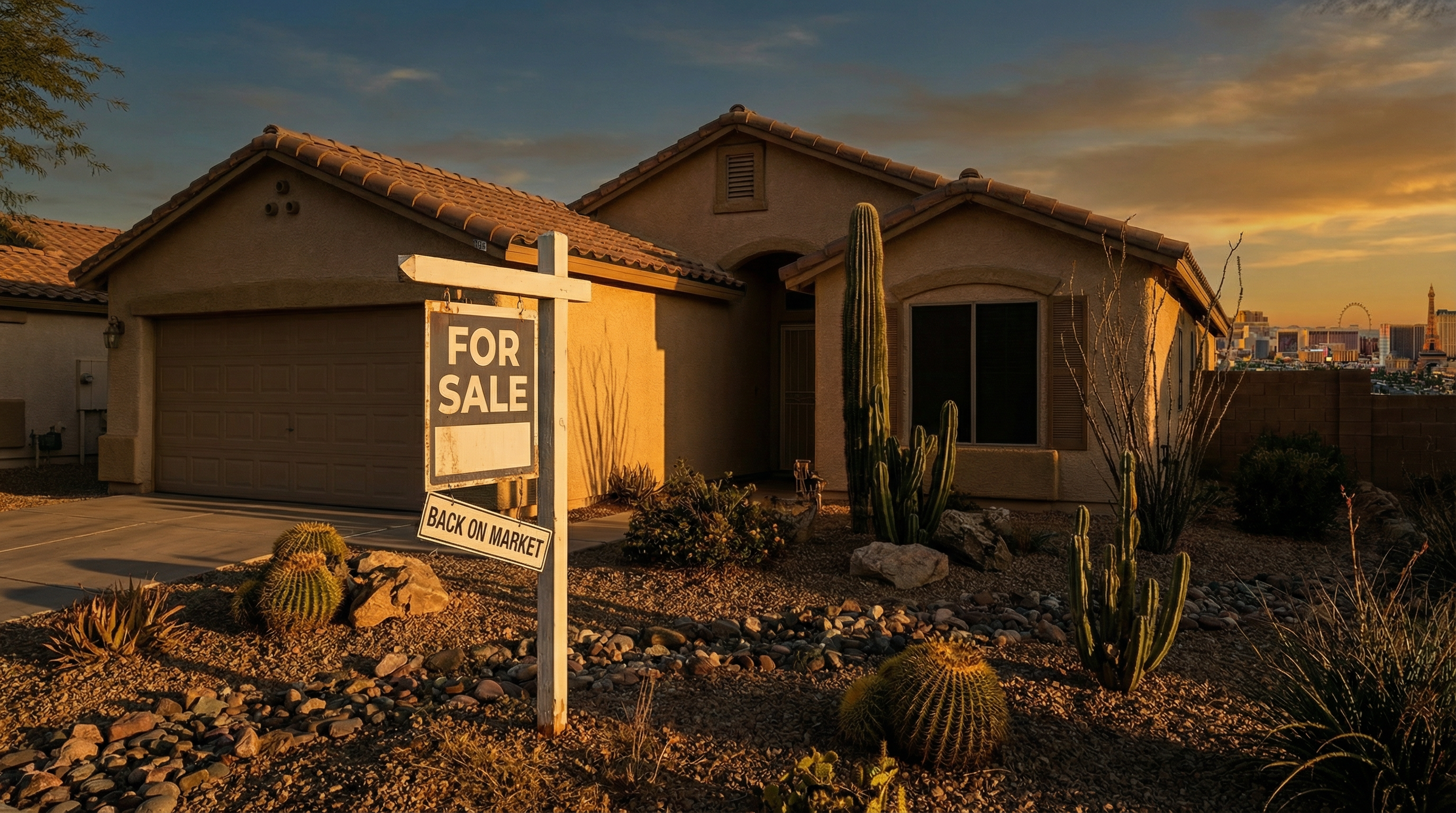
Three little words that can sink a home seller's heart: "Back on Market." You had a deal. You were in escrow. You were planning your future. Now, that future is on hold, and your property is thrown back into the competitive Las Vegas market, but this time, it's different. This time, your listing carries a stigma.
In a market already struggling with record deal cancellations, a "Back on Market" (BOM) status is a red flag to every buyer and buyer's agent in Las Vegas. It signals that something went wrong, and it immediately puts you on the defensive. Understanding this stigma and how to overcome it is essential to getting your home sold.
The "Damaged Goods" Perception
When a buyer's agent sees a BOM listing, the first question they ask is not "What's the price?" It's "What's wrong with it?" This is not cynicism; it's professional due diligence. They know that deals fall apart for a reason, and they want to protect their client from walking into a problem.
The most common assumption is that the home inspection revealed a major, expensive problem. Even if the deal fell through for a completely unrelated reason, like the buyer's financing falling apart, the perception of a hidden defect can be almost impossible to shake. Your home is now viewed through a lens of suspicion.
This perception has a direct and measurable impact on your negotiating power. Buyers will use the failed escrow as leverage to demand a lower price, more concessions, or more favorable terms. They know you've already been through the emotional wringer of a failed deal and may be more willing to accept a lower offer just to get it done.
The Compounding Problem: Days on Market
The BOM stigma is compounded by the relentless ticking of the "days on market" (DOM) clock. As we've explored in our article on the real cost of time on the market, every day your home sits unsold erodes its perceived value.
When your home was first listed, it was fresh and exciting. It attracted the most attention in its first two weeks. Now, it's a stale listing with a failed escrow on its record. The pool of interested buyers shrinks dramatically, and the buyers who remain are bargain hunters looking for a desperate seller.
This creates a vicious cycle. The longer you sit on the market, the more "damaged" your listing appears. The more damaged it appears, the fewer offers you get. The fewer offers you get, the longer you sit. This is the same spiral we describe in our article on what happens when your listing goes stale.
Strategies to Overcome the Stigma
If you choose to relist, you need a proactive strategy to combat the "damaged goods" perception.
- Full Transparency: Work with your agent to proactively disclose the reason the previous deal fell through. If it was a buyer financing issue, make that clear. Transparency can defuse suspicion before it takes root.
- A Pre-Listing Inspection: Consider getting a new, independent home inspection and making the report available to all potential buyers. This shows you have nothing to hide and removes the fear of the unknown.
- A Significant Price Adjustment: A token price drop will not be enough. You may need to make a bold price reduction that signals to the market that you are serious and that this is a new opportunity, not a recycled problem. As we discuss in our article on knowing when to adjust your price, the market always wins.
- Refresh the Listing: New professional photos, a new listing description, and a new marketing strategy can help your home feel like a fresh listing rather than a failed one.
The Alternative: Skip the Stigma Entirely
There is another path that avoids the BOM stigma altogether. A direct sale to a cash buyer like Rescue Home Offers means you never have to go "Back on Market." There are no showings, no public listing, and no opportunity for the market to judge your home's history.
We buy homes in any condition, regardless of their listing history. A failed escrow is not a red flag to us; it's a common situation we are specifically equipped to solve. We provide a guaranteed cash offer and a certain closing date, giving you the clean break you need. To understand all the paths available to you after a failed deal, read our comprehensive guide: Your Buyer Just Walked: What to Do Next.
A failed escrow is a setback, not a dead end. But the path you choose next will determine whether it becomes a minor detour or a long, expensive ordeal. Get a second opinion before you default to relisting. You may find that the fastest way to move forward is to step off the traditional path entirely.
Ready for Your Second Opinion?
Get a free, no-obligation cash offer or schedule a consultation to explore all your options.
Get Your Offer Now