Second Opinion
Your Buyer Just Walked: A Second Opinion on What to Do When Your Las Vegas Deal Falls Through
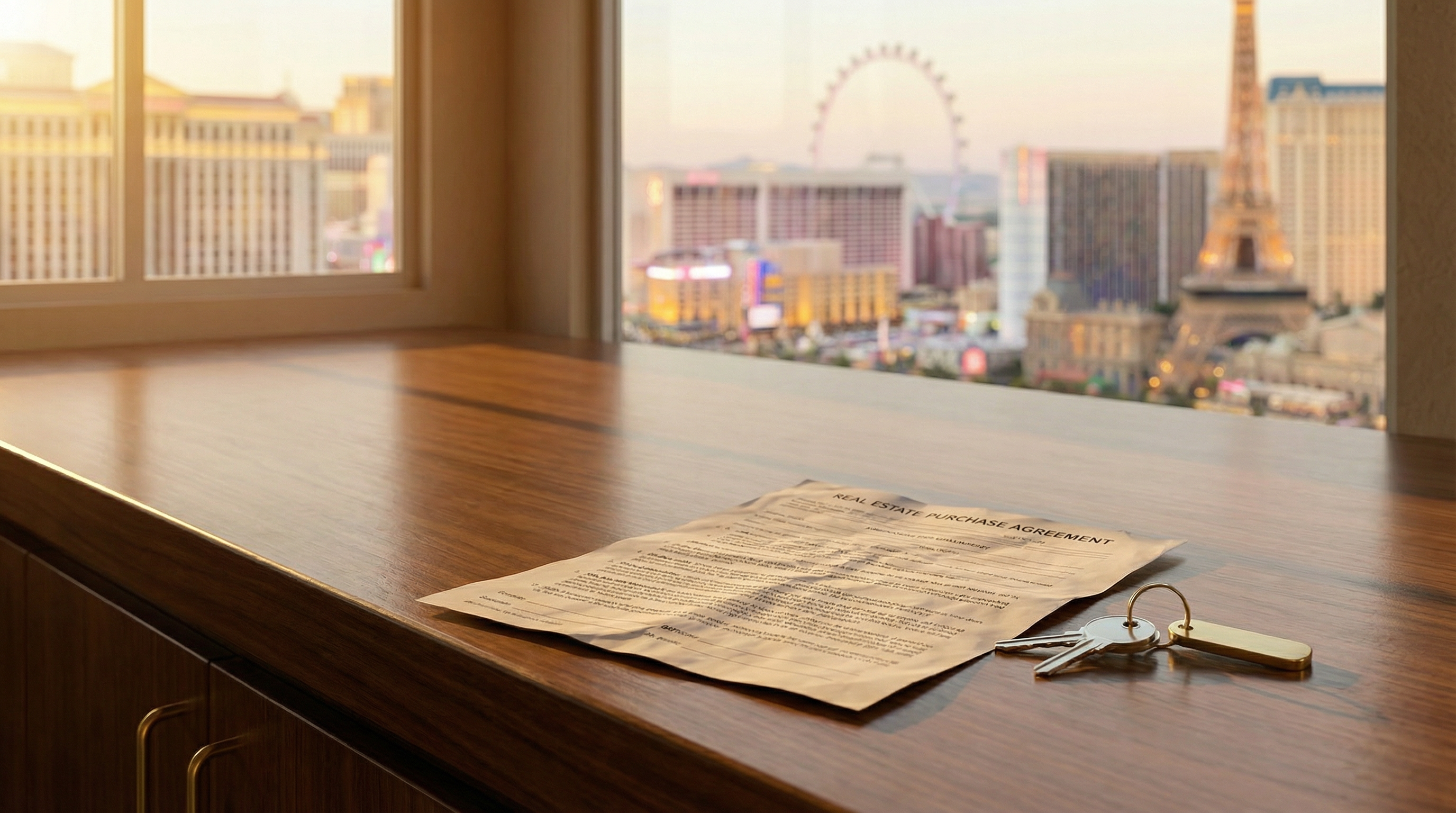
It's the moment every home seller dreads. You've navigated the showings, negotiated the price, signed the contracts, and started packing. You've told your friends and family you're moving. Then, the call comes from your agent. The deal is dead. The buyer walked.
In a stable market, this is a frustrating setback. In the shifting Las Vegas market of early 2026, it can feel like a catastrophe. With home sales plunging 20% to start the year and a record number of purchase agreements being canceled, you are not alone. But knowing that doesn't make the situation any less stressful. Your home, which was "sold," is now back on the market, and the clock is ticking louder than ever.
This is the moment when a second opinion becomes not just helpful, but essential. Your agent will have their perspective, but it's crucial to understand all your options from every angle. This guide will provide that second opinion, walking you through the immediate fallout, the hidden risks of relisting, and the alternative paths available to you that your agent may not present.
The Immediate Fallout: Why Did the Deal Die?
First, it's important to understand the "why." In today's market, deals are falling apart for a few key reasons, each with different implications for you as a seller.
1. Financing Contingency Failure: This is the most common culprit. The buyer's loan was denied, often due to a last-minute change in their financial situation or stricter lending standards. With interest rates settling into a "new reality," lenders are scrutinizing applications more carefully than ever.
2. Appraisal Gap: The property appraised for less than the agreed-upon sale price. In a seller's market, buyers might have been willing to cover this gap with cash. In today's buyer's market, they are far more likely to walk away, leaving you with a new, lower valuation that can haunt future negotiations. We explore this in depth in our guide to the appraisal gap problem.
3. Inspection Issues: The home inspection revealed problems the buyer wasn't willing to accept or you weren't willing to fix. These could be major structural issues or a collection of smaller problems that, in a nervous market, were enough to spook the buyer.
4. Buyer's Remorse (Cold Feet): In a market with rising inventory and stabilizing prices, buyers have more options and less pressure. They may simply have found another property they liked better or gotten scared by negative headlines about the economy.
Understanding the reason is critical because it informs your next move. If it was a financing issue with one specific buyer, your property's value may still be intact. But if it was an appraisal or inspection issue, that problem now stays with the house, and you must decide how to address it before the next buyer comes along.
The Hidden Dangers of "Back on Market"
Your agent's first instinct will be to get the house back on the market as quickly as possible. While this seems logical, you must be aware of the new challenges you face. A property that comes "Back on Market" (BOM) can carry a stigma, as we detail in our article on why your home now looks like "damaged goods" to buyers.
Buyers and their agents will immediately ask, "What's wrong with it?" They will assume there was a major inspection issue or that the seller was unreasonable. This perception immediately puts you on the defensive. You lose the leverage you had as a fresh, new listing.
On top of that, your home's "days on market" (DOM) clock, which may have been paused while you were under contract, is now ticking again. As those days climb, you start to look more and more desperate. This is when the lowball offers begin to arrive. Buyers will see you as a seller who has already lost one deal and may be willing to accept a lower price just to be done with the process. This is the same dynamic we explored in our article on the real cost of time on the market.
This is the trap. You relist at the same price, hoping for a new buyer, but the market has already moved on. Your property is now "damaged goods" in the eyes of many, and you may find yourself chasing the market down with a series of frustrating price reductions.
A Second Opinion: Your Three Paths Forward
This is the critical juncture where you need to pause and consider all your options, not just the default path of relisting. Here is the second opinion you need to hear.
Path 1: Relist and Adapt (The Traditional Route, Revised)
If you choose to relist, you cannot simply do what you did before. You must adapt to your new reality.
- Address the Issue: If the deal fell through because of an inspection issue, fix it now. If it was an appraisal gap, you may need to adjust your price to be in line with the new valuation. Ignoring the problem is not a strategy.
- Re-strategize the Price: Your home's previous list price is now public knowledge. You may need to make a significant price reduction upfront to attract new interest and overcome the "Back on Market" stigma. A small, incremental drop will not be enough. As we discuss in our article on knowing when to adjust your price, the market is the ultimate judge.
- Offer Incentives: In a buyer's market, you need to be proactive. Consider offering to pay for a portion of the buyer's closing costs or including a home warranty. These incentives can make your property stand out.
Path 2: The Investor Rescue (The Certainty Route)
When a deal falls through, the most painful part is the loss of certainty. You thought you were done, and now you're back at square one. This is where a direct sale to a real estate investor, like Rescue Home Offers, becomes a powerful alternative.
An investor provides a cash offer that is not contingent on financing or appraisal. The sale is guaranteed. There are no showings, no open houses, and no waiting for a buyer who might walk away. You can close in as little as 7 to 10 days, providing the certainty you need to move on with your life. We break down the full economics of this in our guide to the real cost of a 7-day rescue.
Yes, the offer will be less than what you might get on the open market. You are trading a portion of your potential equity for speed, certainty, and the elimination of all the stress and risk that comes with relisting. In a market where deals are falling apart at a record rate, this certainty has immense value.
Path 3: The Creative Solution (The Hybrid Route)
There are also hybrid solutions that your agent may not be familiar with. As we outline in The Rescue Playbook, these can include:
- Seller Financing: You become the bank and sell the property directly to a buyer, who makes monthly payments to you. This can open up a larger pool of buyers who may not qualify for a traditional mortgage. Learn more in our guide to the "Become the Bank" rescue.
- Lease-to-Own: You lease the property to a tenant with the option for them to buy it at a later date. This provides you with immediate cash flow and a potential buyer down the road.
These creative solutions require expertise and are not suitable for every situation, but they are powerful tools that can solve problems when the traditional model fails.
Making the Right Choice for You
The right path forward depends entirely on your personal situation. If you have the time, money, and emotional energy to relist and potentially wait months for another uncertain deal, then adapting your strategy for the open market may be the right choice.
However, if the thought of more showings, more negotiations, and the risk of another deal falling through is overwhelming, then a direct sale to an investor provides a clear, certain, and immediate solution. As we explore in The Seller's Dilemma, it allows you to take control of the situation and move forward on your own terms.
When your deal falls through, don't just default to what your agent tells you. Take a breath. Get a second opinion. Understand all your options. In a market as unpredictable as Las Vegas in 2026, the most powerful tool you have is knowledge. By exploring every path, you can turn a moment of crisis into an opportunity to find the right solution for you.
Ready for Your Second Opinion?
Get a free, no-obligation cash offer or schedule a consultation to explore all your options.
Get Your Offer Now