Market Analysis
The Appraisal Gap Problem: When Your Buyer's Loan Falls Short in a Shifting Market
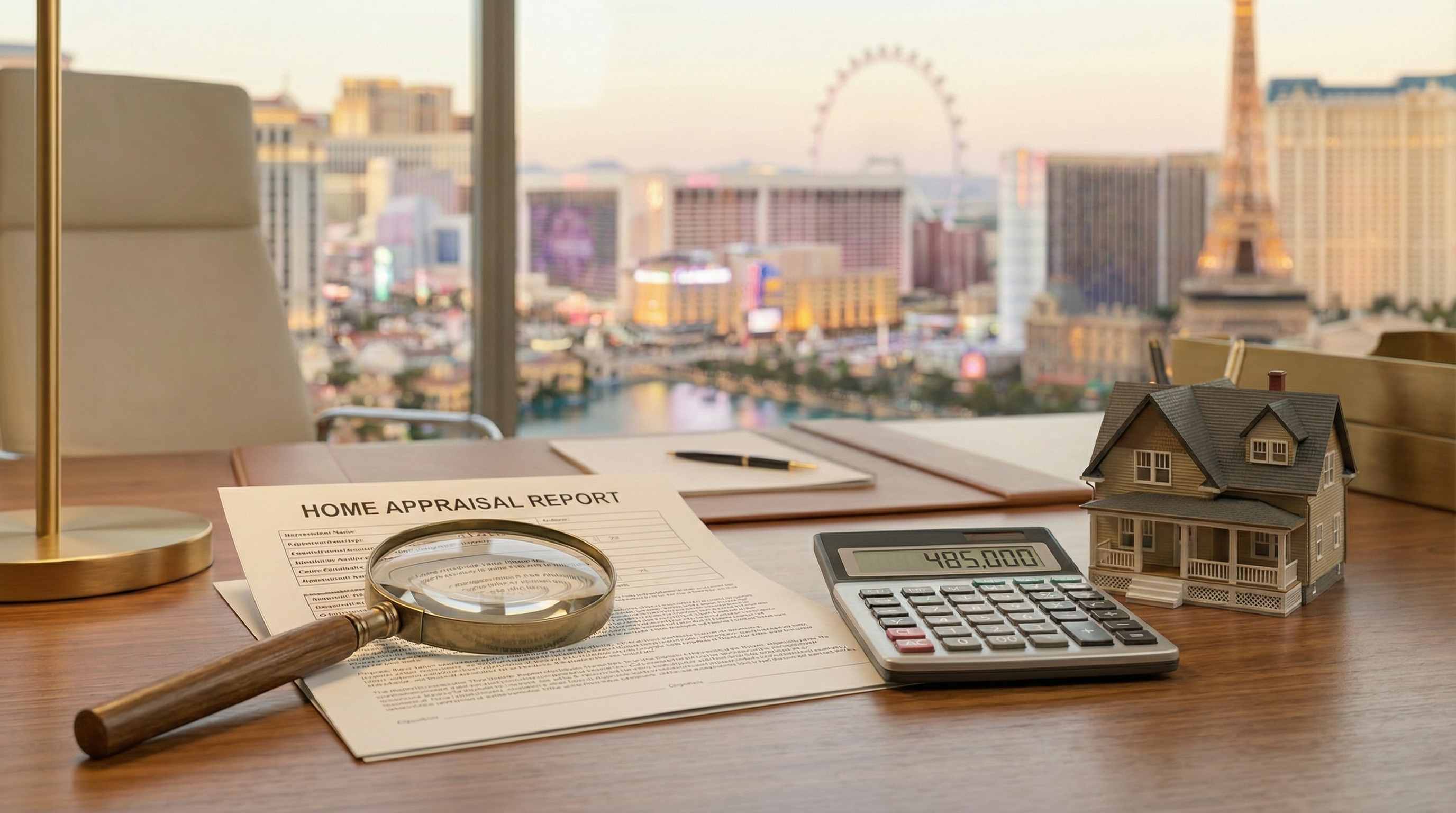
It's one of the most frustrating scenarios in real estate. You've agreed on a price with a buyer, the contract is signed, and you're moving toward closing. Then, the appraisal report comes in, and it's a bombshell. The licensed appraiser has valued your home for thousands of dollars less than the agreed-upon sale price. This is an "appraisal gap," and in the shifting Las Vegas market of 2026, it's a deal-killer.
In a hot seller's market, an appraisal gap is a manageable problem. Buyers, flush with cash and desperate to win a bidding war, are often willing to pay the difference out of pocket. But we are no longer in that market. Today, with home sales slowing and prices stabilizing, buyers have the upper hand. When an appraisal comes in low, they are far more likely to use it as an opportunity to renegotiate the price or walk away from the deal entirely.
This guide will provide a second opinion on the appraisal gap problem, explaining why it's becoming so common and what your real options are when it happens to you.
Why Appraisal Gaps Are on the Rise
An appraisal gap occurs when there is a disconnect between the contract price (what a buyer is willing to pay) and the appraised value (what a bank is willing to lend). This disconnect is widening in Las Vegas for several key reasons.
1. A Market in Transition: We are in a period of price stabilization. The rapid, month-over-month price increases of the past few years have slowed. Appraisers, who base their valuations on "comparable sales" (comps) of recently sold homes in your area, are conservative by nature. They are looking at data from the past 3 to 6 months, which may not reflect the peak price you and your buyer agreed to. They are valuing your home based on where the market was, not where you hope it is.
2. Overzealous Pricing by Sellers: Many sellers are still operating with a seller's market mentality. They remember their neighbor getting multiple offers above asking price six months ago and believe they can do the same. They list their home at an aspirational price, and a buyer, perhaps emotionally attached to the property, agrees to it. The appraiser, however, is not emotional. They look at the hard data, and if the comps don't support the price, they will not approve it. This is a pattern we see frequently, as discussed in our article on how to know when your home is overpriced.
3. Increased Scrutiny from Lenders: Banks are becoming more risk-averse. They are the ones on the hook if a borrower defaults on a loan, and they do not want to lend more money than a property is worth. In an uncertain economic climate, lenders are relying more heavily than ever on conservative appraisals to protect their investment. This means there is less flexibility and less willingness to challenge a low appraisal.
Your Options When an Appraisal Comes in Low
When you are faced with an appraisal gap, you have three primary options, and none of them are ideal.
| Option | What Happens | Likelihood in 2026 |
|---|---|---|
| Buyer Covers the Gap | Buyer pays the difference in cash above the appraised value. | Very Low. Buyers have too many options. |
| You Lower the Price | You agree to sell at the appraised value, losing thousands. | Most Common. But painful. |
| Meet in the Middle | You and the buyer split the difference. | Possible. Requires a motivated buyer. |
| Deal Falls Through | No agreement is reached. Buyer walks. You go back on market. | Increasingly Common. |
If no agreement can be reached, the deal dies. The buyer walks away, and you are back on the market with a "damaged goods" stigma, now armed with the damaging knowledge that your home officially appraised for less than you were asking. This will have to be disclosed to future buyers, significantly weakening your negotiating position.
The Guaranteed Solution: An Offer That Isn't Contingent on an Appraisal
The entire appraisal gap problem stems from one fundamental issue: the involvement of a lender. A traditional sale is a three-party negotiation between you, the buyer, and the buyer's bank. The bank has the final say, and they can kill the deal at any time.
There is a way to remove the bank from the equation entirely. A direct sale to a cash home buyer like Rescue Home Offers eliminates the appraisal contingency. Our offer is a cash offer. It is not dependent on a bank's valuation. We have our own experienced team that assesses the value of your home, and we make a firm offer based on that assessment. There is no risk of a low appraisal killing the deal at the eleventh hour.
When you sell to us, you get a guaranteed offer where the price we agree to is the price you get. No surprises. No appraisal. And a fast, certain closing in as little as 7 to 10 days, without the stress and uncertainty of the traditional lending process. To understand the full economics of a cash offer, read our deep dive into the real cost of a 7-day rescue.
In a market where appraisal gaps are becoming increasingly common, a cash offer is more than just a convenience. It's a shield. It protects you from the risk of a deal falling apart and gives you the certainty you need to move forward. It's the second opinion that puts you back in control.
Ready for Your Second Opinion?
Get a free, no-obligation cash offer or schedule a consultation to explore all your options.
Get Your Offer Now